
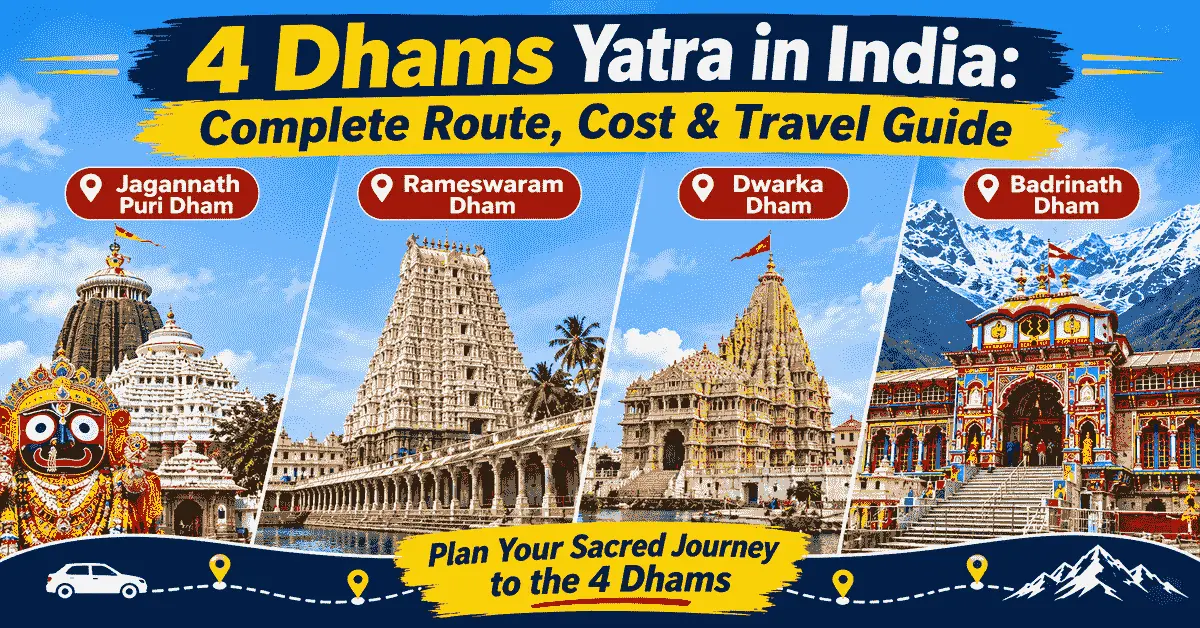
Completing the 4 Dhams Yatra in India is considered one of the most sacred and spiritually rewarding journeys for Hindu devotees. For centuries, Indian families have dreamed of completing this sacred journey at least once in their lifetime.
The great philosopher Adi Shankaracharya set up these 4 holy shrines in the 8th century. He placed them in the 4 corners of the Indian subcontinent to unite the country through faith. These 4 spots are Jagannath Puri in the East, Rameswaram in the South, Dwarka in the West, and Badrinath in the North.
But planning a pilgrimage across the whole country takes serious work. You have to travel from the snowy mountains of Uttarakhand to the coastal beaches of Tamil Nadu. The languages, food, weather, and travel rules change at every stop.
This ultimate guide covers everything you need for a successful trip. We will explain the correct order to visit, how much the journey will cost, what to pack, local places to see, and the best train routes to connect these distant cities.
What are the 4 Dhams of India?
The original 4 Dhams of India (also called the Bada Char Dham or the “Big” Char Dham) are:
- Badrinath Dham (North, Uttarakhand)
- Dwarka Dham (West, Gujarat)
- Jagannath Puri Dham (East, Odisha)
- Rameswaram Dham (South, Tamil Nadu)
Note: The traditional route starts in the East at Puri and moves in a clockwise circle.
Deep Dive: The 4 Sacred Dhams & How to Explore Them
Adi Shankaracharya set up 4 monasteries (Peethas) at these spots to unite the Hindu religion. Every location has its own unique rules, climate, and local culture. Here is a detailed look at what you need to know about each stop.
Bada Char Dham vs. Chhota Char Dham: The Crucial Difference
Many pilgrims confuse the two Char Dhams. When someone from North India says they are going on the “Char Dham Yatra,” they usually mean the smaller circuit in Uttarakhand. Before you plan your trip, you must understand the difference:
| Feature | Bada Char Dham (All India) |
Chhota Char Dham (Uttarakhand Only) |
|---|---|---|
| Location | Spreads across four Indian states: Odisha, Tamil Nadu, Gujarat and Uttarakhand. | Located entirely in the Garhwal Himalayas of Uttarakhand. |
| The Shrines | Puri, Rameswaram, Dwarka and Badrinath. | Yamunotri, Gangotri, Kedarnath and Badrinath. |
| Time Needed | 15–20 days for one long journey, or multiple shorter trips over several years. | 10–12 days, usually completed in one trip from Delhi or Haridwar. |
| Accessibility | Three out of four shrines are generally accessible throughout the year and can be reached by train or flight connections. | Highly seasonal. The temples generally close during winter (November to April) due to heavy snowfall and harsh weather. |
1. Jagannath Puri Dham (East)
 Sacred Char Dham
Puri – The Sacred Abode of Lord Jagannath
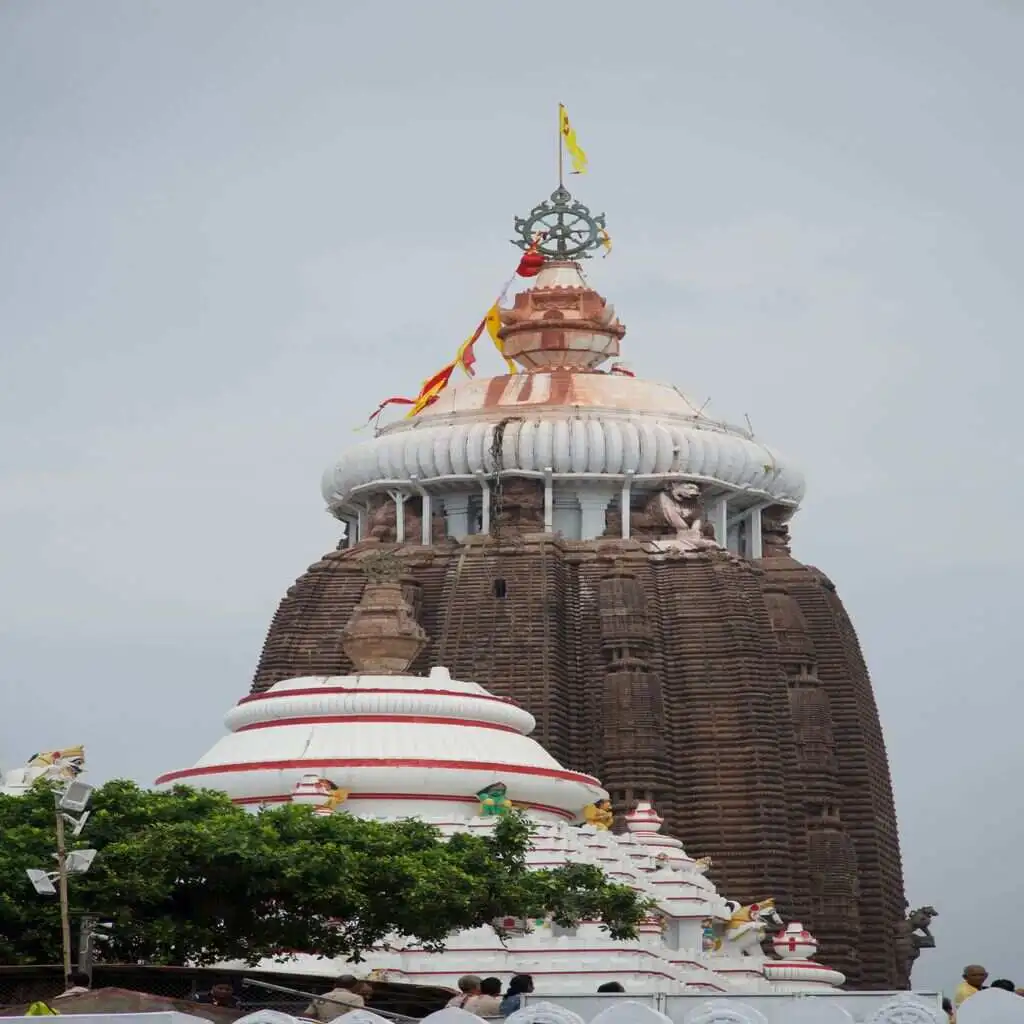
Located along the beautiful coastline of the Bay of Bengal in Odisha, Puri holds a special place in the Char Dham pilgrimage. It is home to the magnificent Jagannath Temple, dedicated to Lord Jagannath, a revered form of Lord Krishna, along with his elder brother Balabhadra and sister Subhadra.
Deity: Lord Jagannath (Vishnu)
Nearest Airport: Bhubaneswar (BBI) – 60 km away (about a 1.5-hour drive).
Nearest Railway Station: Puri (PURI) is a major station with direct trains from Delhi, Kolkata, and Mumbai.
Key Highlight: The Mahaprasad (holy food). It is cooked in earthen clay pots over a wood fire in the temple’s massive kitchen, which is believed to be the largest in the world.
Temple Timings: Usually opens at 5:00 AM and closes around 11:30 PM.
Other Places to Visit Nearby:
Konark Sun Temple: A UNESCO World Heritage site located just 35 km away. It is shaped like a giant chariot.
Chilika Lake: India’s largest coastal lake, famous for dolphins and migratory birds.
Puri Golden Beach: A very clean, Blue Flag-certified beach perfect for evening walks.
2. Rameswaram Dham (South)
 Sacred Char Dham
Rameswaram – The Sacred Land of Lord Rama
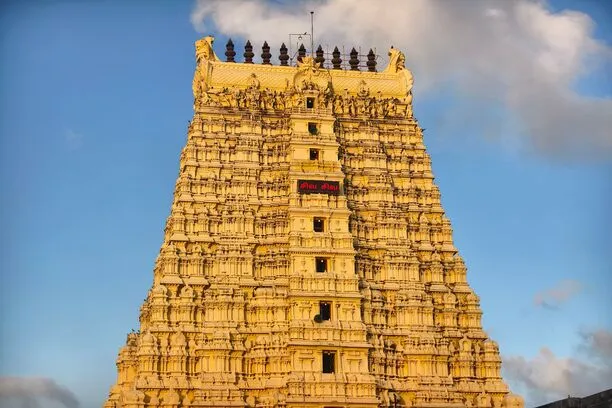
Situated on the picturesque Pamban Island in Tamil Nadu, Rameswaram holds a special place in Hindu mythology and the epic Ramayana. According to tradition, Lord Rama constructed Ram Setu, a legendary bridge across the sea to reach Lanka and rescue Goddess Sita. Before beginning the battle, Lord Rama worshipped Lord Shiva here and sought his divine blessings.
Deity: Ramanathaswamy (Shiva)
Nearest Airport: Madurai (IXM) – 175 km away (about a 3.5-hour drive).
Nearest Railway Station: Rameswaram (RMM). Reaching here by train is a thrilling experience because the train crosses the ocean on the famous Pamban Bridge.
Key Attraction: The temple complex is famous for its 22 sacred wells, known as Theerthams, which hold great religious significance among devotees. Pilgrims must take a bath with water from all 22 wells before going inside for Darshan. The water in each well tastes different.
Darshan Timings: The temple remains open from 5:00 AM to 1:00 PM and reopens from 3:00 PM to 9:00 PM.
Other Places to Visit Nearby:
Dhanushkodi: A beautiful but abandoned “ghost town” at the very tip of the island where the Indian Ocean meets the Bay of Bengal.
Dr. A.P.J. Abdul Kalam Memorial: A beautiful museum dedicated to India’s former President, who was born in Rameswaram.
3. Dwarka Dham (West)
 Sacred Char Dham
Dwarka – The Ancient Kingdom of Lord Krishna
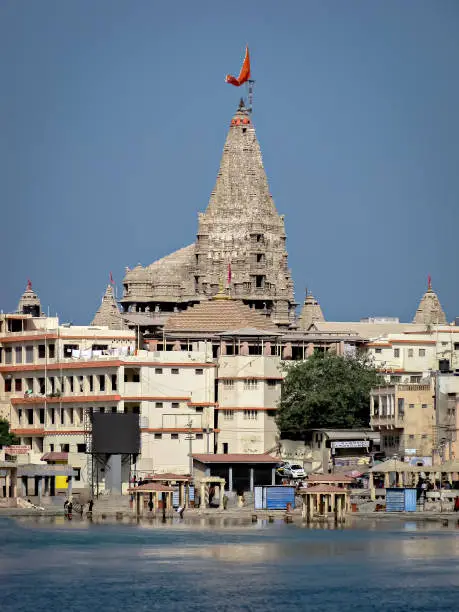
Situated along the Arabian Sea near the Gomti Creek in Gujarat, Dwarka is one of India’s most revered pilgrimage destinations. According to Hindu tradition, this ancient city was the magnificent kingdom of Lord Krishna. The iconic five-storey Dwarkadhish Temple stands as a symbol of his divine legacy and attracts devotees from across the country.
Deity: Dwarkadhish (Krishna)
Nearest Airport: Jamnagar (JGA) – 130 km away, or Porbandar (PBD) – 100 km away.
Nearest Railway Station: Dwarka (DWK) connects easily to Ahmedabad and Vadodara.
Key Highlight: The temple flag (Dhwaja) changing ceremony. The massive flag on top of the temple is changed five times a day. Devotees sponsor this flag, and watching it flap in the sea breeze is magical.
Temple Timings: 6:30 AM to 1:00 PM, and 5:00 PM to 9:30 PM.
Other Places to Visit Nearby:
Bet Dwarka: An island a short distance away. You have to take a fun 15-minute ferry ride to reach it. According to Hindu belief, this sacred place is regarded as the birthplace and original abode of Lord Krishna.
Nageshwar Jyotirlinga: Located on the way to Bet Dwarka, this is one of the 12 holy Shiva shrines in India.
Rukmini Devi Temple: A beautiful temple dedicated to Krishna’s wife, located just outside the main city.
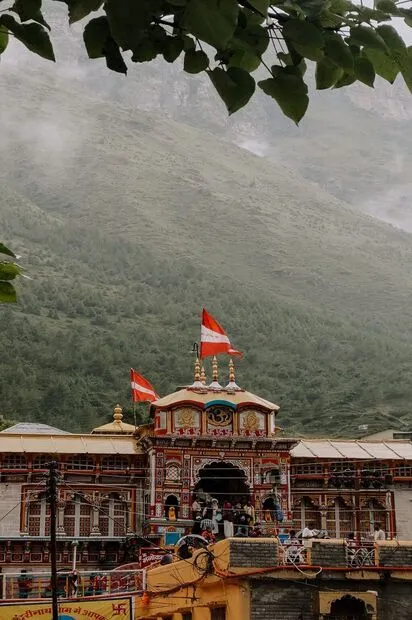
4. Badrinath Dham (North)
 Sacred Char Dham
Badrinath – The Sacred Abode of Lord Vishnu
Nestled high in the Garhwal Himalayas of Uttarakhand, Badrinath is a spiritually significant destination surrounded by majestic mountain peaks and the swiftly flowing Alaknanda River. Dedicated to Lord Vishnu, this sacred pilgrimage site is an important part of the Char Dham Yatra and offers devotees a deeply meaningful spiritual experience.
Deity: Badrinath (Vishnu)
Nearest Airport: Jolly Grant, Dehradun (DED) – 310 km away.
Nearest Railway Station: Haridwar or Rishikesh (about 300 km away). From there, you have to travel by road.
Key Highlight: Taking a dip in the Tapt Kund. Even though the weather outside is freezing, this natural hot spring provides boiling hot water. Devotees traditionally take a holy dip at this site before proceeding into the temple for darshan.
Temple Timings: Usually opens at 4:30 AM and closes at 9:00 PM, with an afternoon break. (Remember, the temple is closed entirely from November to April).
Other Places to Visit Nearby:
Mana Village: Known as the “Last Indian Village” before the Tibet border.
Vyas Gufa (Cave): The cave in Mana village where Sage Vyasa is said to have written the Mahabharata.
Valley of Flowers: If you are visiting in August or September, this nearby national park is full of rare, beautiful flowers.
4 Dhams Yatra Route Map & Sequence
Hindu tradition says the Yatra should follow a clockwise circle (parikrama), just like the sun moves across the sky. The traditional route is:
Puri ➔ Rameswaram ➔ Dwarka ➔ Badrinath
Traveling 8,000+ km across India in one single trip can be very tiring, especially for senior citizens. Because of this, many modern pilgrims break the Yatra into two, three, or 4 separate holidays over their lifetime. The spiritual blessing is exactly the same whether you do it in 20 days or 20 years.
However, if you have the time and want to do it all at once, here is a detailed and logical plan.
The 18-Day Pan-India Travel Itinerary
Leg 1: The East (Odisha)
- Day 1: Arrive at Bhubaneswar airport or railway station. Travel to Puri by taxi or local train, with the journey taking approximately 1.5 hours. Check into your hotel. Spend the evening enjoying a relaxing stroll along the beautiful shores of Puri Beach.
- Day 2: Wake up early for Jagannath Temple Darshan. Eat the Mahaprasad for lunch. In the afternoon, hire an auto-rickshaw or taxi to see the Konark Sun Temple.
- Day 3: Check out of your hotel. Travel back to Bhubaneswar to start your long journey south.
- Leg 2: The South (Tamil Nadu)
- Day 4 (Transit Day): Take a direct flight from Bhubaneswar to Chennai/Madurai, or take a long-distance express train down the eastern coast.
- Day 5: Arrive in Rameswaram. Check into your hotel. Rest from the journey.
- Day 6: Wake up at 4:00 AM. Go to the Ramanathaswamy Temple. Complete your 22 Theertham baths (temple guides can help you with this). Have your Darshan.
- Day 7: Hire a local jeep to visit Dhanushkodi in the morning. Return to your hotel, pack up, and head to Madurai or Trichy to start your journey to the West.
- Leg 3: The West (Gujarat)
- Day 8 (Transit Day): Fly from Madurai/Chennai to Ahmedabad, or take a long-distance train. From Ahmedabad, take an overnight train (like the Saurashtra Mail) to Dwarka.
- Day 9: Arrive in Dwarka. Check into your hotel. Visit the main Dwarkadhish temple in the evening for the Aarti (prayer) and watch the flag-changing ceremony.
- Day 10: Take a day trip to Bet Dwarka via ferry. On the way back, visit the Nageshwar Jyotirlinga and the Rukmini Devi temple.
- Day 11: Check out and take a train or flight from Gujarat towards North India (Delhi or Dehradun).
- Leg 4: The North (Uttarakhand)
- Day 12 (Transit Day): Arrive in Delhi or Dehradun. Rest for the night.
- Day 13: Start your road journey from Haridwar/Rishikesh towards Badrinath. This is a long hill drive. Stop for the night halfway, usually in Rudraprayag or Srinagar (Uttarakhand).
- Day 14: Drive the rest of the way to Badrinath. The mountain views are stunning. Check into your hotel in Badrinath.
- Day 15: Wake up early, bathe in the Tapt Kund hot springs, and visit the Badrinath temple for Darshan. In the afternoon, take a short drive to Mana Village.
- Day 16: Start the drive down the mountains. Stop again halfway for the night.
- Day 17: Reach Haridwar or Rishikesh. Attend the evening Ganga Aarti by the river to celebrate completing your massive journey.
- Day 18: Head back to Delhi, then continue your journey to your hometown.
4 Dhams Yatra Cost & Tour Budget
Your travel costs will change entirely based on how you choose to travel. Booking sleeper class trains and staying in Dharamshalas is very cheap. Taking domestic flights and staying in AC hotels is much more expensive.
Here is an estimated budget per person for completing all 4 Dhams in one continuous 18-day trip. This assumes you are starting from a central city like Delhi, Nagpur, or Bhopal.
| Category | Transport Used | Accommodation Type | Estimated Cost (Per Person) |
|---|---|---|---|
| Budget / Pilgrim | Sleeper Class Trains, State Transport Buses | Dharmashalas, Ashrams, Budget Lodges | ₹20,000 – ₹28,000 |
| Standard / Comfort | AC 3-Tier Trains, Shared Taxis, 1 or 2 Domestic Flights | Standard 2 or 3-Star AC Hotels | ₹40,000 – ₹60,000 |
| Luxury / Premium | Mostly Domestic Flights, Private AC Taxis for all road travel | 4-Star Hotels, Premium Resorts | ₹85,000 – ₹1,30,000+ |
What to Pack for the Yatra
Because you are visiting beaches in the South and snowy mountains in the North, packing can be tricky. Here are the essential items you should pack for your journey:
Clothing:
- For Badrinath: Heavy thermal wear, a thick winter jacket, woolen socks, gloves, and a woolen cap. The wind is very cold.
- For Puri, Rameswaram, and Dwarka: Light, breathable cotton clothes.
- Temple Wear: Remember the strict dress codes. Pack clean Dhotis, Kurtas, or formal pants for men. Pack Sarees, Salwar Kameez, or long dupattas for women.
- Footwear: Comfortable walking shoes or sandals that are easy to slip off. Visitors must leave their footwear outside before entering each temple.
Medicines & First Aid:
- Painkillers and fever medicine (like Paracetamol).
- Stomach medicine (like Digene or Pudin Hara) since your diet will change frequently.
- Motion sickness pills for the winding mountain roads to Badrinath.
- Mosquito repellent (like Odomos) for the coastal areas.
- Any daily medicines for blood pressure or diabetes, as finding specific brands in small temple towns can be hard.
Documents:
- Original Aadhar Card or Voter ID (plus 4 photocopies).
- A physical copy of your Uttarakhand Yatra registration pass for the Badrinath pilgrimage.
- Printed train and flight tickets.
- Keep cash on hand. While UPI (Google Pay, PhonePe) works almost everywhere in India now, small temple donation boxes and remote areas still require cash.
Best Time for the Char Dham Yatra
This trip covers all corners of India, so finding a month when the weather is good everywhere is very tough.
- The Problem Months: Snow completely closes Badrinath from mid-November to late April. You cannot visit during winter. On the other hand, April, May, and June are extremely hot and sweaty in Puri, Dwarka, and Rameswaram. Monsoon (July and August) causes landslides in Uttarakhand and heavy rain on the coasts.
- The Sweet Spot (Best Time): September to October. During these post-monsoon months, the heavy rains have stopped. Badrinath is still open, the mountains are lush green, and the coastal cities are starting to cool down for the autumn.
Important Travel Tips & Scams to Avoid
To make your journey safe and peaceful, keep these tips in mind:
- Mandatory Registrations: You do not need any government registration to visit Dwarka, Puri, or Rameswaram. However, the Uttarakhand government requires all pilgrims visiting Badrinath to register online on their official Tourism portal. Do this before you travel.
- IRCTC Train Planning: If you are traveling by train, IRCTC opens ticket bookings 120 days in advance. Long-distance direct trains (like the Okha-Rameswaram Express) only run once or twice a week. They sell out in minutes. Book exactly 120 days before your travel date.
- Medical Fitness for the Mountains: Badrinath is over 10,000 feet above sea level. The air is thin, which can cause breathing problems for some people. Take it slow, avoid rushing, and check with your doctor first if you have heart or lung issues.
- Beware of the “VIP Darshan” Scams: Outside major temples like Puri and Dwarka, fake guides or touts may surround you. They will promise to get you “fast-track” or “VIP” entry for a large fee. Ignore them. Only buy special entry tickets from the official temple counters inside the gates.
- Food Rules: Most temple towns are strictly vegetarian. Alcohol and non-vegetarian food are banned in the main city areas of these Dhams.
Final Takeaway
The 4 Dhams Yatra in India is not merely a religious pilgrimage; it is a deeply meaningful spiritual experience. It is a beautiful cultural journey that shows you how massive, diverse, and spiritually connected India truly is. You will see different languages, different oceans, and different types of architecture, all connected by the same devotion.
Because visiting all 4 corners takes a lot of time, energy, and money, do not rush. Take the time to enjoy the local food, talk to the local people, and absorb the peace of the temples.
Start by planning your first trip to Jagannath Puri, and let the blessings of the journey guide you from there.
Frequently Asked Questions (FAQ)
Q1: Can we do the 4 Dhams Yatra in any order?
The traditional scriptural rule is to go clockwise starting from the East (Puri, Rameswaram, Dwarka, Badrinath). However, the gods will not punish you for changing the order! Many families plan their route based on flight prices, weather, and school holidays.
Q2: Which is the hardest Dham to visit?
Badrinath is physically and logistically the toughest to reach. It is high in the mountains, requires driving on winding, steep roads for two days, and the weather can be freezing.
Q3: Can elderly devotees comfortably and safely undertake the Char Dham Yatra?
Yes, largely. Dwarka, Puri, and Rameswaram sit on flat ground and have excellent train connections. They are very easy for seniors. For Badrinath, if long road trips or walking is hard, you can book a helicopter ride from Dehradun, or hire a palki (palanquin carried by men) to reach the temple doors.
Q4: Are there government Char Dham tour packages?
Yes. IRCTC (Indian Railway Catering and Tourism Corporation) regularly runs “Bharat Gaurav” tourist trains. These trains travel directly to all the Dhams. They are an excellent, safe, and budget-friendly option because they include your train ticket, local buses, hotel stays, and vegetarian meals in one package.
Q5: What language should I speak during the Yatra?
Hindi and English are widely understood by hotel staff, taxi drivers, and temple guides across all 4 Dhams. In Puri (Odia), Rameswaram (Tamil), and Dwarka (Gujarati), knowing a few local words is polite, but you can comfortably manage the entire trip using Hindi and basic English.
Check also : 12 Jyotirlingas in India: Amazing Temples, Complete List, Map & Easy Travel Guide.
1 thought on “4 Dhams Yatra in India: Best Route, Complete Cost & Essential Travel Tips”