

If you only have a short time in the city and want to see the absolute best, the top 3 must-visit places in Delhi are its three UNESCO World Heritage Sites. These are the Red Fort (Lal Qila), Qutub Minar, and Humayun’s Tomb. These three historical monuments show you the very best of Delhi’s rich Mughal and Sultanate history. They are well-connected by the Delhi Metro, making travel easy. Best of all, you can comfortably visit all three of them in a single day.
Key Takeaways
- The Top 3: The Red Fort, Qutub Minar, and Humayun’s Tomb are the absolute best historical places to visit in Delhi.
- Time Required: You will need about 1.5 to 2 hours to explore each monument properly. You can easily cover all three in one day without rushing.
- Transport: The Delhi Metro is the fastest, safest, and cheapest way to travel between these locations. It helps you avoid city traffic.
- Ticketing: Book your tickets online through the Archaeological Survey of India (ASI) website. You can also scan the QR code at the monument gates. Paying online gives you a ₹5 discount and lets you skip the long ticket counter lines.
- Weekly Closure: Keep in mind that the Red Fort is closed to the public every Monday. Plan your trip for any other day of the week.
Introduction
Delhi is a massive, busy city with hundreds of years of history layered into its streets. When you search online for the best places to visit in Delhi, you will quickly find lists showing 30 or 40 different tourist spots. But what if you only have one weekend or a single day to explore the city?
Trying to see everything in a short time is a mistake. If you try to visit 10 places in one day, you will spend most of your time stuck in traffic. You will end up feeling tired and frustrated.
To truly enjoy the capital city without burning out, you need to focus on the best spots. Quality is always better than quantity. This guide breaks down exactly which are the top 3 places to visit in Delhi. We will show you how to reach them easily, how much tickets cost, and how to travel around the city just like a local.
The Main Answer: Delhi’s Top 3 Attractions
For anyone who wants the perfect Delhi sightseeing experience, your plan should focus entirely on the city’s three UNESCO World Heritage Sites. These three monuments are the crown jewels of Indian historical architecture. They are carefully maintained by the ASI (Archaeological Survey of India) and offer great facilities for tourists, including clean washrooms, drinking water, and clear signboards.
- Red Fort (Lal Qila): The ultimate symbol of Mughal power and modern India’s independence.
- Qutub Minar: A towering 12th-century masterpiece of early Indo-Islamic architecture.
- Humayun’s Tomb: The breathtaking garden-tomb that inspired the design of the famous Taj Mahal.
Detailed Explanation: Inside the Top 3
If you want to know why these three places are so special, here is a detailed look at what makes each one worth your time.
1. Red Fort (Lal Qila)
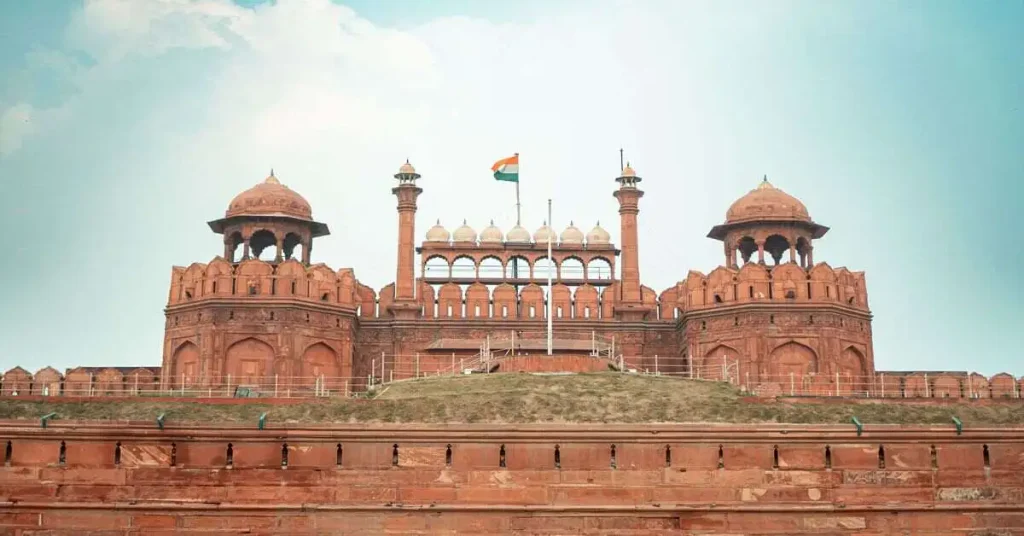
Built by the Mughal Emperor Shah Jahan in the 17th century, the Red Fort is the beating heart of Old Delhi. Shah Jahan is the same emperor who built the Taj Mahal. He moved his capital from Agra to Delhi and built this massive fort to be his main palace.
The fort is made of huge red sandstone walls that stretch for over two kilometres. For nearly 200 years, this complex was the home of the mighty Mughal emperors. Today, it holds a very special place in the heart of the country. It is famous as the exact spot where the Prime Minister of India hoists the national flag and gives a speech every year on Independence Day (August 15).
When you walk inside the main entrance, called the Lahori Gate, you will first step into the Chhatta Chowk. This is a beautiful covered market that was originally built for the royal women to shop for silk and jewellery. As you walk further inside, you can explore the main palace buildings. You will see the Diwan-i-Aam, which is the Hall of Public Audience where the emperor listened to the problems of common people. You will also see the Diwan-i-Khas, the Hall of Private Audience, where the emperor held secret meetings with his most important ministers.
Best for: History buffs, architecture lovers, and anyone interested in the Mughal era.
Don’t Miss: The Sound and Light Show (called “Jai Hind”). This show happens in the evenings and tells the story of Delhi’s history using laser lights and beautiful audio.
2. Qutub Minar
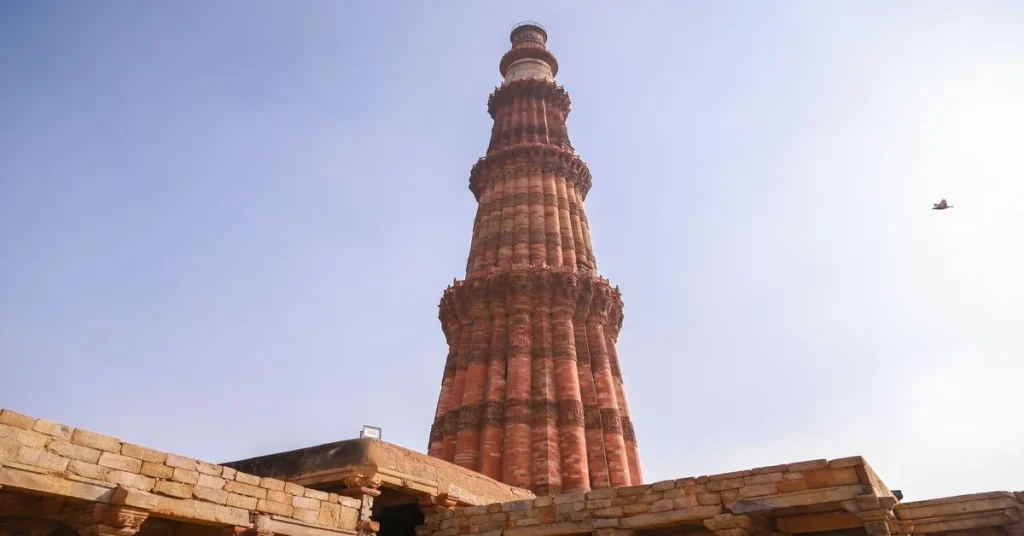
Located far down in South Delhi in an area called Mehrauli, the Qutub Minar is a stunning 73-metre tall victory tower. The structure is made completely from red sandstone and white marble.
Work on this historic tower began in 1193 under the leadership of Qutb-ud-din Aibak, who established the Delhi Sultanate. It was later finished by his successors. The tower is covered in beautiful, intricate carvings and verses from the Quran.
However, the Qutub Minar complex includes much more than just the iconic tower. It is part of a large, fascinating complex filled with ruined tombs, old madrasas (schools), and mosques. One of the most amazing things you will see here is the famous Iron Pillar of Delhi. This iron pole was made more than 1,600 years ago. Scientists and metallurgists from all over the world are amazed by it because, despite standing in the open air and rain for centuries, it has completely resisted rusting.
Best for: Photography, evening walks, and people who love ancient mysteries.
Don’t Miss: The detailed stone carvings on the base of the main tower, and of course, the rust-resistant Iron Pillar in the centre of the courtyard.
3. Humayun’s Tomb
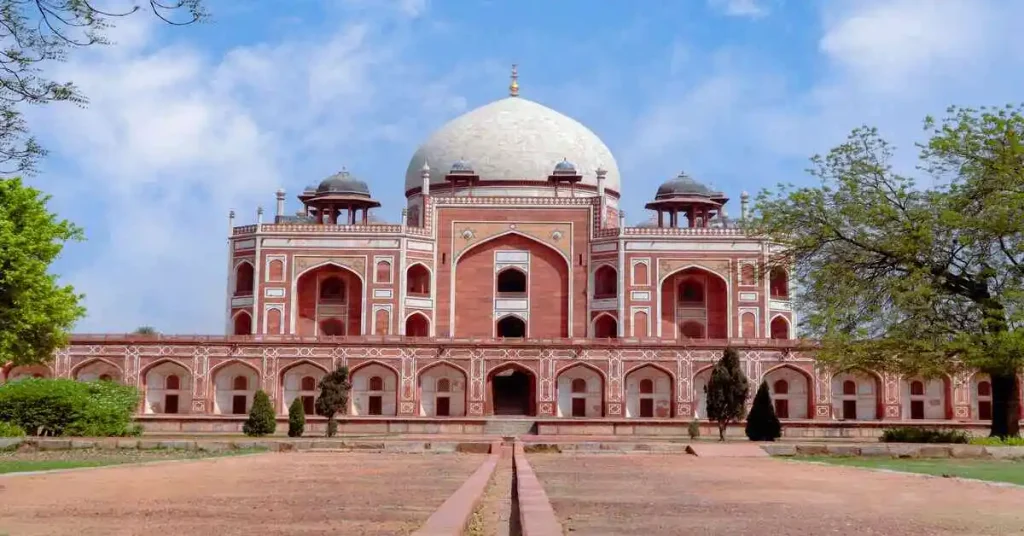
If you want to see where the architectural inspiration for the Taj Mahal came from, you absolutely must visit Humayun’s Tomb. Built in 1570, this monument holds great historical importance. It was the very first garden-tomb built on the Indian subcontinent.
After Emperor Humayun’s death, his first wife, Empress Bega Begum, ordered the construction of this tomb in his memory. The monument features stunning symmetry and is built using a beautiful mix of red sandstone and white marble.
The tomb is surrounded by beautifully landscaped Charbagh gardens filled with greenery. A Charbagh is a traditional Persian-style garden divided into four squares by walking paths and flowing water channels. The peace and quiet you find here make it a top favorite for both local Delhi residents and international tourists. It offers a peaceful retreat away from Delhi’s busy streets, traffic and city noise.
Best for: Peaceful strolls, couples looking for a quiet spot, and beautiful sunset photography.
Don’t Miss: Isa Khan’s Tomb. This is an older, beautiful octagonal tomb located right near the main entrance of the Humayun’s Tomb complex. Many people walk right past it, but it is highly worth a visit.
How to Do It: Places to Visit in Delhi in One Day
If you are planning to cover these three amazing spots in a single day, you need a smart plan. The secret to a successful Delhi trip is avoiding road traffic. Here is the most logical, step-by-step route using the Delhi Metro:
1. Morning (9:00 AM): Start at the Red Fort
How to get there: Take the Violet Line on the Delhi Metro. Get off at the “Lal Qila” Metro Station. The gates of the fort are just a short walk from the station exit.
What to do: Spend about 2 hours exploring the museums, the public halls, and the gardens inside the fort. Since you are starting early, the weather will be pleasant and the crowds will be small.
2. Lunch (12:00 PM): Eat in Old Delhi
How to get there: Walk out of the Red Fort and cross the street into Chandni Chowk.
What to do: This is Delhi’s most famous, chaotic, and historic market. Grab lunch here. If you love non-vegetarian food, try the famous kebabs at Karim’s near Jama Masjid. If you prefer vegetarian food, eat the famous chole bhature at Haldiram’s or explore the Paranthe Wali Gali.
3. Early Afternoon (1:30 PM): Move to Humayun’s Tomb
How to get there: Walk back to the Lal Qila Metro Station. Take the Violet Line heading south. Get off at the “JLN Stadium” station. From the station, you can take a quick 5-minute auto-rickshaw ride to the gates of Humayun’s Tomb.
What to do: Spend about 1.5 to 2 hours here. Walk through the gardens, take beautiful photos of the water channels, and enjoy the peaceful atmosphere.
4. Late Afternoon (4:00 PM): End at Qutub Minar
How to get there: Take an auto-rickshaw from Humayun’s Tomb to the nearest Yellow Line metro station (like INA or Green Park), and take the train south to the “Qutub Minar” station. Alternatively, you can book an Uber or Ola cab directly from Humayun’s Tomb to Qutub Minar. It takes about 30 to 40 minutes depending on afternoon traffic.
What to do: Spend your evening walking around the Qutub complex. This is the best time to visit because the setting sun hits the red sandstone tower, making it glow beautifully for your photographs.
Requirements, Cost, and Timings
Before you step out, it is important to know the current ticket prices and timings. These prices reflect the standard ASI rates for the year 2026.
Pro Tip: If you pay using a digital method (like a UPI app or a debit/credit card) by scanning the QR codes at the gate, you usually get a ₹5 discount.
Benefits of Sticking to the Top 3
You might wonder why you shouldn’t try to squeeze India Gate, Lotus Temple, and five other places into this single day. Here is why sticking to just the top 3 is the smartest choice:
- Zero Rushing: You actually get the time to absorb the history. You can sit in the gardens, take good photos, and read the information boards without running from place to place.
- Traffic Management: By using the metro for these specific spots, you completely avoid the legendary, frustrating Delhi road traffic.
- Quality over Quantity: You witness the absolute peak of Mughal and Sultanate architecture. These three sites offer the best-maintained facilities in the city.
Limitations & Risks to Keep in Mind
Delhi is a wonderful city, but it has a few challenges. Keep these things in mind to stay safe and comfortable:
- The Summer Heat: Delhi summers (from May to July) are brutal. Temperatures regularly cross 45°C (113°F). If you are visiting during these months, you will sweat a lot. Drink plenty of bottled water. Only visit outdoor monuments in the early morning or late afternoon to avoid heatstroke.
- Winter Smog: From November to January, Delhi experiences heavy winter smog and high pollution levels (AQI spikes). This thick smog can sometimes ruin your photos by hiding the monuments. It can also make breathing difficult. If you have asthma or sensitive lungs, wear a good quality N95 mask when walking outside.
- Mondays: Remember that the Red Fort is closed on Mondays. Several other monuments and museums in Delhi (like the Lotus Temple and Akshardham) are also closed on Mondays. If possible, plan your main sightseeing for any day from Tuesday to Sunday.
Alternatives and Honorable Mentions
If you happen to have a second day in Delhi, or if one of the top 3 spots is closed, you should consider adding these excellent places to your list:
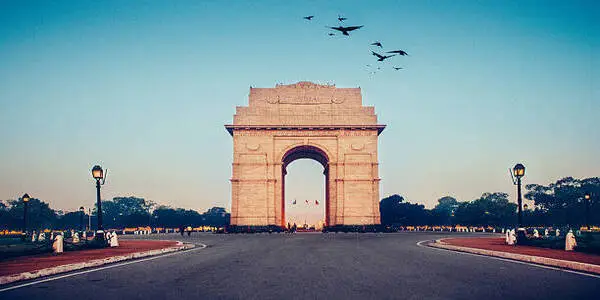
India Gate – A Symbol of National Pride
Located in the heart of New Delhi, India Gate is a famous war memorial dedicated to Indian soldiers who lost their lives during the First World War while serving in the British Indian Army.
Entry is free, and the monument looks beautiful after sunset when illuminated. Visitors can also enjoy a peaceful evening walk along the nearby Kartavya Path.
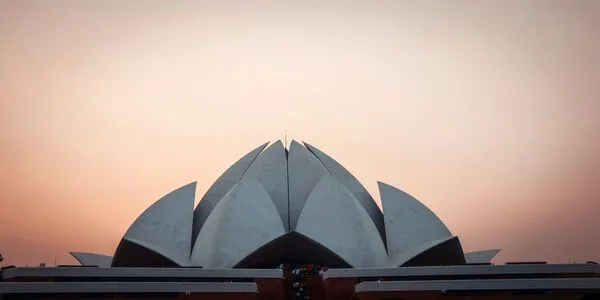
Lotus Temple – A Beautiful Place of Peace
The Lotus Temple is a stunning Bahá’í House of Worship, renowned for its unique architecture inspired by a blooming white lotus flower. Its beautiful design makes it one of Delhi’s most popular attractions.
Visitors from every religion and background are welcome to enter the main prayer hall. The peaceful atmosphere offers a wonderful opportunity to sit quietly, meditate or pray.
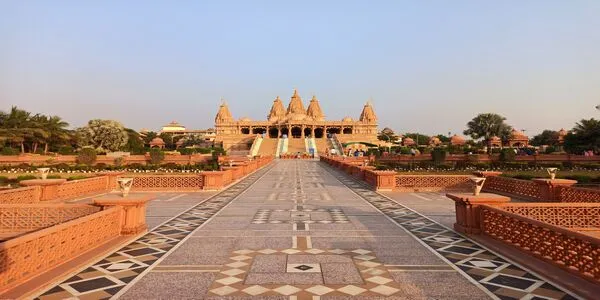
Akshardham Temple – A Marvel of Indian Architecture
Akshardham Temple is an impressive Hindu temple complex situated near the Yamuna River in Delhi. It is admired for its intricate carvings, traditional architecture and beautifully designed interiors.
Plan to spend around 3 to 4 hours exploring the complex. Mobile phones and cameras are not permitted inside the temple. Visitors can also enjoy the spectacular water and light show held in the evening.
Common Problems & Troubleshooting
When visiting popular tourist sites anywhere in the world, you might face a few small scams or problems. Here is how to easily handle them in Delhi:
- Fake Tour Guides: Outside all three monuments, you will be approached by men offering to be your tour guide. Many of them are unofficial and will charge you too much money for incorrect history. Only hire ASI-approved guides. You can easily spot them because they carry official ID cards around their necks. If you want a cheaper option, download an audio guide app like Captiva or Hoppa on your smartphone.
- Auto-Rickshaw Overcharging: When you step out of a metro station, auto-rickshaw drivers might ask for a very high price. To protect yourself, always open the Uber, Ola, or Rapido apps on your phone first. Check what the app is charging for the trip. You can either book the ride directly through the app, or use that estimated price to negotiate a fair cash fare with a local driver.
- Payment and Cash Shortages: India has a wonderful digital payment system called UPI (apps like Paytm, PhonePe, and Google Pay). UPI works almost everywhere in Delhi, even at small tea stalls. However, at very crowded monuments, mobile network congestion can sometimes cause your digital payments to fail. Always carry around ₹500 to ₹1000 in physical cash in your wallet just in case the internet stops working.
Frequently Asked Questions (FAQ)
What are the three best tourist attractions to explore in Delhi?
The top 3 must-visit historical places in Delhi are the Red Fort, Qutub Minar, and Humayun’s Tomb. All three of these are UNESCO World Heritage Sites. They offer incredible architecture, beautiful gardens, and deep history.
Can I cover the top 3 places in Delhi in one day?
Yes, you can easily cover the Red Fort, Humayun’s Tomb, and Qutub Minar in a single day. The best way is to start early at the Red Fort. After lunch, move to Humayun’s Tomb by early afternoon. Finally, finish your day at Qutub Minar to watch the sunset. Using the Delhi Metro to travel will save you hours of being stuck in traffic.
Is the Red Fort open every day?
No, the Red Fort is closed to the public every Monday for maintenance. You should plan your Old Delhi sightseeing so that it falls anywhere between Tuesday and Sunday. Humayun’s Tomb and Qutub Minar are open every day of the week.
Do I need physical cash to buy tickets at Delhi monuments?
No, physical cash is no longer strictly required, though it is good to have some as a backup. The Archaeological Survey of India (ASI) promotes digital payments and encourages visitors to use cashless payment methods. You can simply scan the QR codes posted outside the monument gates to buy your tickets using UPI apps like PhonePe, GPay, or Paytm. You actually get a ₹5 discount on your ticket for paying digitally.
When is the ideal season to explore Delhi’s historical monuments?
February to March (spring) and October to November (autumn) are considered the most pleasant months for sightseeing in Delhi, thanks to their comfortable weather and suitable conditions for exploring outdoor attractions. During these months, the weather is pleasant, the gardens are blooming, and the skies are relatively clear. You should try to avoid the peak summer months (May and June) due to extreme heat waves that make walking outside very uncomfortable.
Check also: Top 5 Must-Visit Places in Odisha: Ultimate Travel Guide