
Jharkhand sits on the green, mineral-rich Chota Nagpur Plateau in eastern India. It remains one of the country’s most peaceful travel destinations. The state is filled with thick sal forests, roaring waterfalls, winding hill roads, and sacred temples. Because it is less commercialized than other states, you can enjoy nature without pushing through heavy tourist crowds.
If you are planning a winter road trip, a temple visit, or a relaxing weekend getaway with your family, this guide covers the best tourist places in Jharkhand. It includes travel routes, local tips, safety advice, and key attractions to help you plan a smooth trip.
Top 5 Tourist Destinations at a Glance
Compare the best places, travel duration and ideal visiting seasons.
| Destination | Best Known For | Ideal Duration | Nearest Transit Hub | Best Season |
|---|---|---|---|---|
| 🌲 Netarhat | Pine forests, sunrise and sunset views, cool climate | 2 Days | Ranchi (155 km) | October to March |
| 💧 Ranchi Waterfall Circuit | Hundru, Dassam and Jonha waterfalls | 1–2 Days | Ranchi Railway Station / Birsa Munda Airport | September to February |
| 🐘 Betla National Park | Sal forests, wild elephants and historic Chero forts | 2 Days | Daltonganj / Medininagar (25 km) | November to April |
| 🏞️ Patratu Valley | Winding ghat roads, water sports and lake dam | Day Trip | Ranchi (35 km) | Year-round (Winter preferred) |
| 🛕 Deoghar | Baba Baidyanath Jyotirlinga and spiritual heritage | 1–2 Days | Deoghar Airport / Jasidih Junction | March to September |
1. Netarhat: The Queen of Chotanagpur
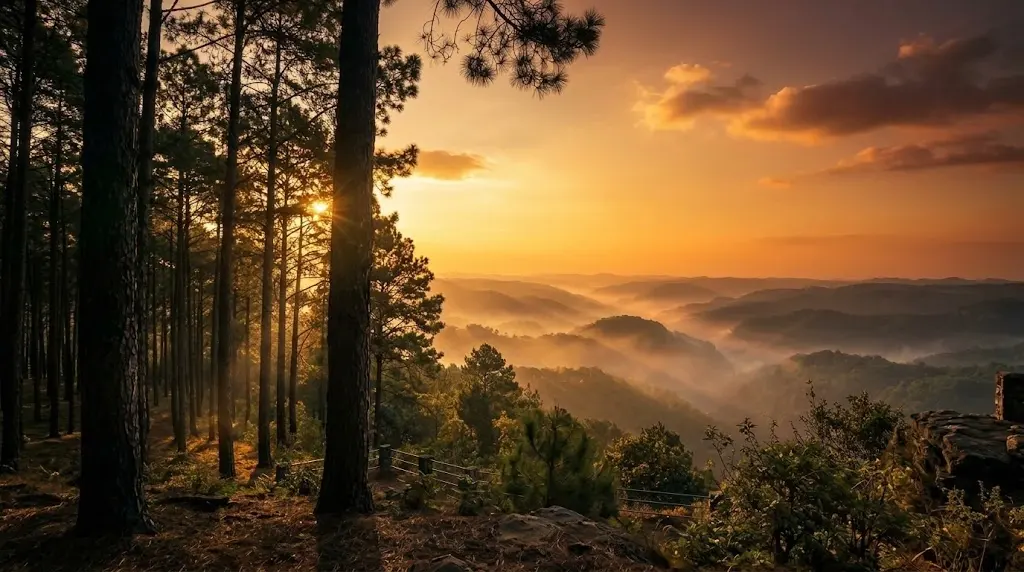
Netarhat sits at an altitude of about 1,070 metres (around 3,500 feet) in Latehar district. It is one of the most famous and frequently visited hill stations in Jharkhand. The British developed it as a summer retreat to escape the heat of the plains. Today, travellers visit Netarhat for its cool mountain air, quiet jungle paths, and wide sunrise and sunset views.
Key Attractions in Netarhat
- Magnolia Point: This viewpoint sits right on the edge of a high cliff. It gives you a wide look at the sun setting behind the Vindhya hills. According to local stories, the spot was named after a young British woman named Magnolia. It is the most famous evening spot in town.
- Netarhat Sunrise Point: Located near the famous Netarhat Residential School campus, this point gives an uninterrupted view of morning rays breaking through layers of mist and rolling green sal hills. Be sure to reach early in the morning before sunrise.
- Pine Forest and Upper Ghaghri: A short walk through tall chir pine trees leads you to the Upper Ghaghri stream. British officers planted these pine groves nearly a century ago. The cool, shaded trails make it a peaceful spot for family picnics.
- Lower Ghaghri Falls: Located a few kilometres further into the forest, this waterfall drops through thick jungle foliage. The ideal time to visit is just after the monsoon season.
- Koel View Point: Located about 3 km from the town centre, this spot gives a calm view of the Koel River flowing down in the plains below.
How to Reach Netarhat
- By Road: Netarhat is about 155 km from Ranchi. The drive takes 4 to 5 hours along NH 143A and SH 9. The route passes through scenic ghat sections between Ghaghra and Netarhat. Private rental taxis, self-drive cars, and daily state buses run regularly from Ranchi.
- By Train: The nearest major railway station is Ranchi Junction (155 km). You can also travel via Lohardaga railway station (about 85 km away), but Ranchi offers far more direct car rental services.
- By Air: Birsa Munda Airport in Ranchi is the closest airport. You can hire a direct taxi outside the terminal for Netarhat.
Where to Stay
The Jharkhand Tourism Development Corporation (JTDC) runs Hotel Prabhat Vihar, which stands right next to the sunrise viewpoint. The hotel offers clear views of the valley. Book rooms weeks in advance on the official JTDC tourism website, especially for winter weekends. A few private hotels and forest rest houses are also available in the main market area.
2. The Ranchi Waterfall Circuit (Hundru, Jonha, and Dassam)
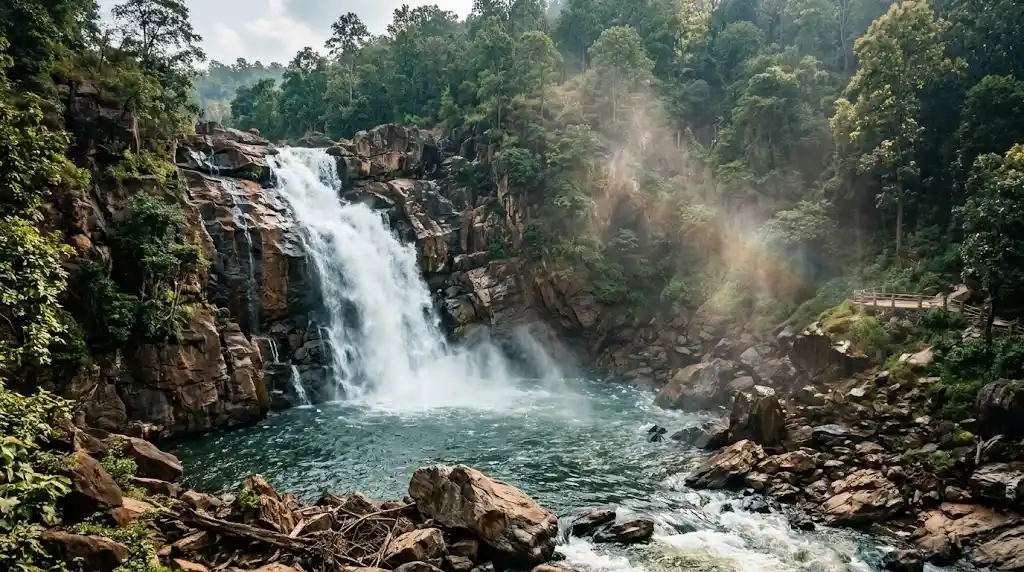
Ranchi is known as the “City of Waterfalls.” The Subarnarekha River and its small tributaries flow across the hard rocky edges of the Chota Nagpur Plateau. As the water drops over these high stone cliffs, it forms dramatic cascades within a short driving distance of the capital.
Major Waterfalls to Visit
- Hundru Falls: Hundru is the most famous waterfall in Jharkhand. Here, the Subarnarekha River plunges roughly 98 metres (about 320 feet) down hard gneissic rock into a wide pool below. Concrete stairs lead visitors down to the base of the gorge. The sheer sound and spray of the falling water are impressive during post-monsoon months.
- Jonha Falls (Gautamdhara): Jonha Falls is located around 43 km from Ranchi. It drops from a height of 43 metres. It is also called Gautamdhara because local tradition holds that Lord Buddha bathed in its waters. Visitors must walk down roughly 700 well-built stone steps to reach the water. A peaceful Buddhist shrine and an ashram sit near the top overlooking the valley.
- Dassam Falls: Formed by the Kanchi River near Taimara village, Dassam drops 44 metres across rugged rock steps. The river divides into multiple streams before crashing down into a deep pool. The water generates a loud roar and thick mist between September and December.
- Panchghagh Falls: Located near Khunti (about 50 km from Ranchi), this site features five separate streams breaking over rocky beds. Because the drop is gentler here, it is a favourite picnic spot for families with young children.
- Sita Falls: Located close to Jonha Falls, Sita Falls is a quiet, less-crowded cascade surrounded by dense green forest.
How to Reach the Ranchi Waterfalls
- East Circuit (Hundru and Jonha): Both falls lie 40 to 45 km east of Ranchi off the Ranchi–Purulia Highway (NH 320). You can easily visit both in a single day.
- South Circuit (Dassam): Dassam Falls is located about 40 km south of Ranchi along the Ranchi–Jamshedpur Highway (NH 33).
- Local Transport: The easiest way to visit the falls is to hire a private cab for the full day from Ranchi. Cabs can pick you up from your hotel in the morning and return by evening.
Important Safety and Travel Advice
- Avoid Slippery Rocks: Rocks near the waterfall pools have thick algae and are extremely slippery. Always stay behind safety railings.
- Do Not Swim in Deep Pools: River currents at Hundru and Dassam are powerful and hidden rock shelves make swimming dangerous. Fatal accidents happen when visitors ignore warning boards.
- Time Your Return: Start heading back toward Ranchi before sunset. Highway stretches leading to the waterfalls have limited street lighting.
3. Betla National Park (Palamu Tiger Reserve Complex)
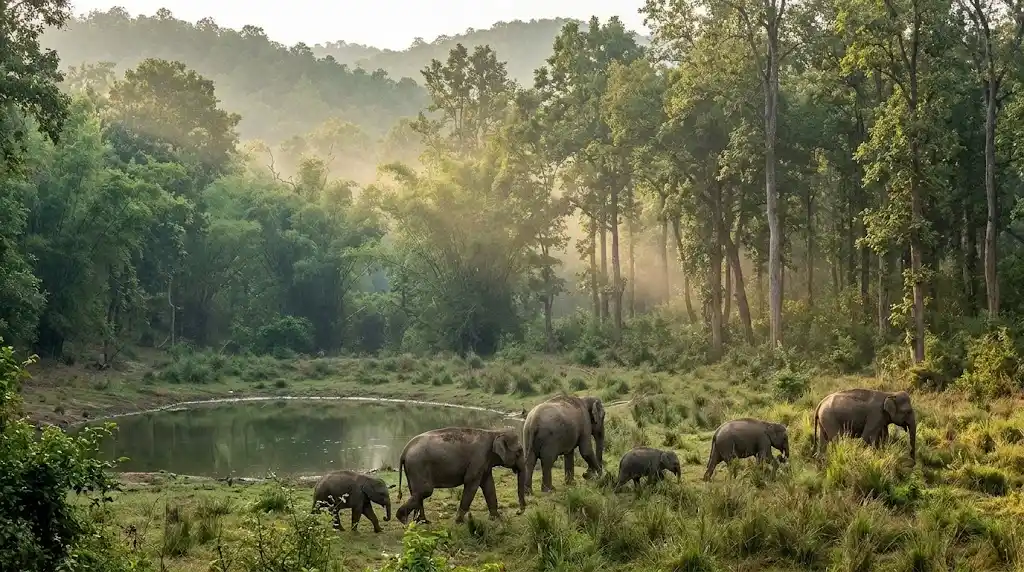
Betla National Park stretches across the Latehar and Palamu districts of western Jharkhand. In 1974, it became one of the first wildlife reserves in India to be included in the Project Tiger initiative. The park covers rolling hills filled with thick sal trees, bamboo clusters, and broad open grasslands. Because it sees fewer crowds than central Indian parks, you can enjoy a quiet and natural forest safari.
Wildlife and Forest Safaris
Tigers live in the deep, undisturbed parts of the Palamu Tiger Reserve, but they stay well hidden. However, Betla offers frequent sightings of:
Asian elephants walking in herds
Spotted deer (chital) and sambar
Gaur (Indian bison) feeding near waterholes
Wild boars, langurs, rhesus macaques, and Indian civets
Diverse bird species including hornbills, peafowl, and serpent eagles
Jeep safaris run twice a day under the direction of the state forest department:
Morning Safari: 6:00 AM to 10:00 AM
Afternoon Safari: 2:00 PM to 5:00 PM
You must hire an official forest department jeep and take a registered local guide along.
The Historic Palamu (Chero) Forts
Hidden within the forest near the Auranga River are the remains of two historic forts made of brick and stone, built by the Chero rulers in the 16th century. The most famous structure is the Old Fort on the hill and the New Fort on the plain below. The imposing Nagpuri Gate features fine carvings that mix local tribal art with Mughal stonecraft. Visiting these silent ruins surrounded by tall sal trees feels like stepping into history.
Travel Details for Betla
- How to Reach: Betla is about 170 km northwest of Ranchi and 25 km from Daltonganj (Medininagar) railway station. The drive from Ranchi takes 4 to 5 hours via Kuru and Latehar along NH 39.
- Best Time to Visit: The park opens for tourists from October 1 to June 30. It remains closed during the monsoon months (July to September) for animal breeding and forest upkeep. The coolest and most comfortable months for morning safaris are November to February.
- Where to Stay: JTDC operates Hotel Van Vihar near the park entrance gate. The forest department also maintains clean rest houses that can be reserved through their official booking office.
4. Patratu Valley: The Serpentine Ghats
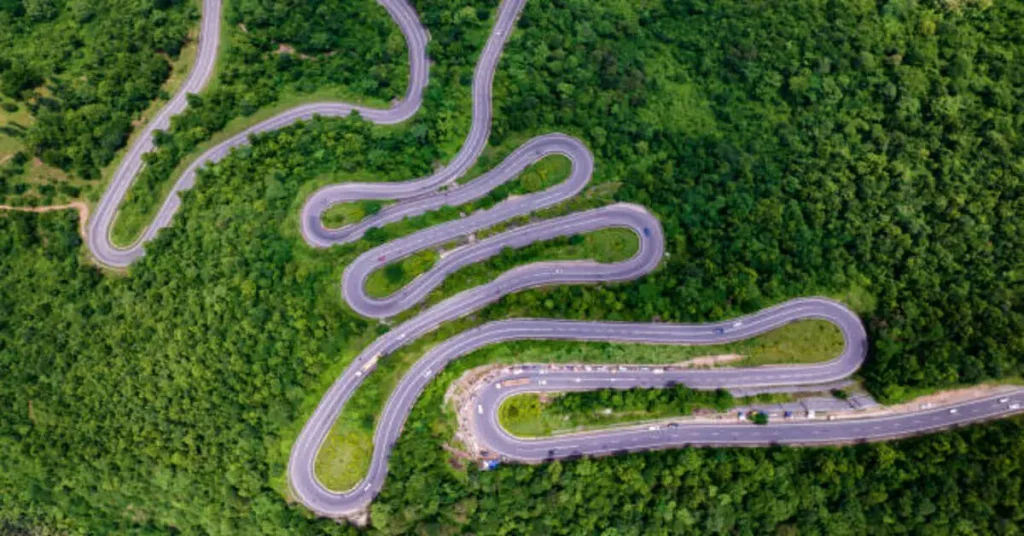
If you enjoy scenic road trips, Patratu Valley in Ramgarh district is one of the best drives in eastern India. The well-paved ghat road features sweeping hairpin turns cut through steep, forested hills. As you drive down the curves, the valley opens up to reveal the massive Patratu Dam and reservoir below.
What to See and Do in Patratu
- Patratu Dam and Lake: Built across the Nalkari River to supply cooling water to the nearby Patratu Thermal Power Station, the lake has been turned into a modern water-sports park. You can take speedboats, family motorboats, or pedal boats operated under state tourism guidelines.
- Patratu Valley Viewpoints: The state government has set up clean, paved viewpoints with parking areas along the high curves of the highway. Travelers stop here to take photographs of the looping roads below. The view is especially scenic during sunrise or late afternoon golden hour.
- Patratu Lake Resort: This modern tourist complex sits right on the water’s edge. It offers manicured gardens, children’s play zones, walking promenades, musical fountains, and clean cafeteria facilities.
Travel Logistics for Patratu
- How to Reach: Patratu is only 35 to 40 km north of Ranchi. The journey via Kanke Dam Road and Pithoria Ghat takes approximately 60 to 90 minutes. The road is smooth, multi-lane, and well-maintained, making it a great half-day drive for cars and two-wheelers.
- Food and Refreshments: Several clean roadside dhabas and modern cafes operate near the lake. You can easily find hot chai, pakodas, mineral water, and full North Indian meals.
5. Deoghar: Spiritual Grandeur at Baidyanath Dham
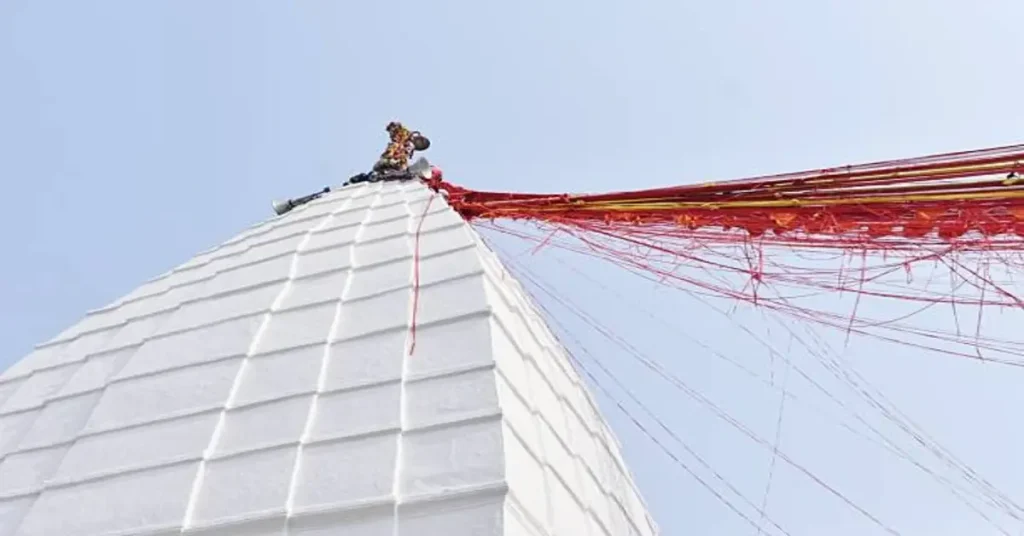
Deoghar sits in the Santhal Parganas division in north-eastern Jharkhand. It is one of the most sacred pilgrimage centers in India. The town is famous for the Baba Baidyanath Temple, which is revered as both one of the twelve sacred Shiva Jyotirlingas and one of the 51 Shakti Peethas.
Key Spiritual and Cultural Sites
- Baba Baidyanath Temple Complex: The central stone shrine houses the sacred Shiva Lingam and is topped with a heavy brass kalash and a gold-plated trident (Trishul). Surrounding the main shrine are 21 smaller temples dedicated to gods and goddesses like Parvati, Ganesha, and Hanuman. During the sacred month of Shravan (July–August), millions of devotees dressed in saffron attire visit the site after collecting holy water from Sultanganj. If you want a calmer spiritual experience, visit during the cooler winter months.
- Trikut Pahar (Trikut Hill): Located about 15 km outside Deoghar, this three-peaked granite hill represents Brahma, Vishnu, and Mahesh. The hill offers hiking trails, rocky caves, and wide views of the surrounding green countryside.
- Naulakha Mandir: This 146-foot-high temple was built in the 1930s with funds donated by Queen Charushila of Pathuriaghat. The temple was named Naulakha Mandir because its construction reportedly cost nine lakh rupees at that time. The temple’s white-stone design closely resembles the Ramakrishna Temple at Belur Math.
- Tapovan Caves: Located around 10 km from Deoghar, this rocky hill houses natural stone caves. Sage Valmiki is said to have visited here for penance. A temple dedicated to Taponath Mahadeva sits inside the main cave.
Travel Logistics for Deoghar
- By Air: Deoghar Airport (DGH) operates direct domestic flights connecting the town with cities like Kolkata and Delhi.
- By Train: Jasidih Junction (7 km from the temple) is a major stop on the Howrah–Delhi main railway line. Taxis and auto-rickshaws wait outside the station around the clock.
- Local Sweets: Never leave Deoghar without trying its famous Peda. This traditional sweet is made from slowly boiled, condensed milk (khoya) and cardamom, freshly prepared in the bazaar streets around the temple.
Best Time to Visit Tourist Places in Jharkhand
Jharkhand has three main seasons:
1. Winter (October to March) — Peak Tourist Season
This is the best time to explore tourist places in Jharkhand. Daytime temperatures stay pleasant between 15°C and 25°C, making it comfortable to hike hills, visit temples, and sit outdoors. In high hill stations like Netarhat, nighttime temperatures can drop down to 5°C to 8°C, so pack woollens and jackets.
2. Monsoon (July to September) — Nature and Photography Season
During the rainy season, the Chota Nagpur Plateau turns bright green. Waterfalls like Hundru, Dassam, and Jonha swell with water. However, heavy rains can make driving on forest roads difficult, and stepping onto wet rocks near riverbeds is dangerous.
3. Summer (April to June) — Low Season
Summer temperatures in the plains and mining districts like Dhanbad, Jamshedpur, and Bokaro frequently cross 40°C. While Netarhat stays slightly cooler due to its elevation, midday heat makes general outdoor sightseeing tiring.
Practical Travel Tips for Families Visiting Jharkhand
- Book Taxis from Reputed Agencies: Public buses run between major district hubs like Ranchi, Hazaribagh, and Dhanbad. However, waterfalls and forest forts are tucked away in rural areas. Hire a verified private cab for the full day through your hotel travel desk or trusted local travel operators.
- Follow Waterfall Safety Rules: The plunge pools below Hundru, Jonha, and Dassam have sharp rock ledges and fast underwater currents. Keep children close, stick to concrete viewing decks, and do not step into deep water.
- Respect Forest Regulations in Betla: You cannot drive your personal car inside the core zones of Betla National Park. Book authorized open gypsies with licensed forest department trackers who know animal movement paths.
- Carry Cash for Rural Locations: While UPI works well in Ranchi, Deoghar, and highway petrol pumps, mobile internet signals can drop inside deep forest valleys like Netarhat and Betla. Keep cash handy for parking fees, roadside dhabas, and entry tickets.
Try Local Tribal Food: When traveling across the state, stop at local eateries to try authentic dishes:
- Dhuska: A savoury, deep-fried pancake made from ground rice and chana dal, served hot with spicy aloo-chana sabzi.
- Marua Roti: Flatbread made from nutritious finger millet flour, eaten with leafy greens (saag).
- Chilka Roti: A soft, thin crepe made of rice flour and chana dal.
- Arsa: A sweet, crispy snack prepared from powdered rice and melted jaggery.
Frequently Asked Questions (FAQs)
What is the ideal time of year to explore Jharkhand’s tourist attractions?
October to March is the most suitable period to explore Jharkhand, thanks to its pleasant weather and comfortable temperatures.The weather is cool and clear across the plateau. Daytime temperatures are mild, making it ideal for road trips, waterfall visits, and forest safaris.
What is the safest destination in Jharkhand for a family holiday?
Netarhat, Patratu Valley, and the Ranchi city circuit are safe and comfortable for family holidays. These places offer wide highways, decent family hotels, clean restaurants, and regular police patrols along major travel routes.
What is the best way to organise a four-day trip across Jharkhand?
Here is a practical 4-day itinerary:
- Day 1: Land at Ranchi. Take a morning drive to Patratu Valley and Dam. Enjoy boating, explore the lake park, and return to Ranchi for an evening walk at Tagore Hill.
- Day 2: Take a full-day cab tour to Hundru and Jonha Waterfalls. Walk down the trails, admire the scenic views, and return to Ranchi by sunset.
- Day 3: Drive from Ranchi to Netarhat (about 4 to 5 hours). Check into your hotel, walk through the pine groves, and watch the sunset at Magnolia Point.
- Day 4: Watch the sunrise at Netarhat Sunrise Point. Have breakfast, drive back to Ranchi, and head to Birsa Munda Airport or Ranchi Railway Station for your journey home.
Is Betla National Park open all year round?
No, visitors can explore Betla National Park between October 1 and June 30 each year. It remains closed during the monsoon months of July, August, and September for animal breeding and road maintenance.
What are the famous handicrafts to buy in Jharkhand?
Jharkhand is famous for traditional tribal crafts:
- Sohrai and Khovar Paintings: Indigenous wall and canvas art painted using natural clay, mud, and earth tones.
- Dhokra Metal Craft: Detailed brass and bell-metal figurines cast using the ancient lost-wax method.
- Bamboo and Wood Crafts: Handcrafted baskets, wall hangings, and decorative household items made by local artisans.
- Paitkar Scroll Paintings: Traditional scroll art narrating cultural folklore and village life.
Check also: Top 10 Tourist Places in Bihar: Best Sights, Itinerary & Travel Guide